
Ever gotten a text with “SMT” and had no idea what it meant? You’re definitely not alone. Internet slang changes so quickly that keeping up can feel impossible.
The good news is that SMT is actually pretty easy to understand once you know the basics. In this guide, you’ll learn what SMT means, how people use it in conversations, when to avoid using it, and how its meaning can change depending on the context.
Quick Answer (Featured Snippet Optimized)
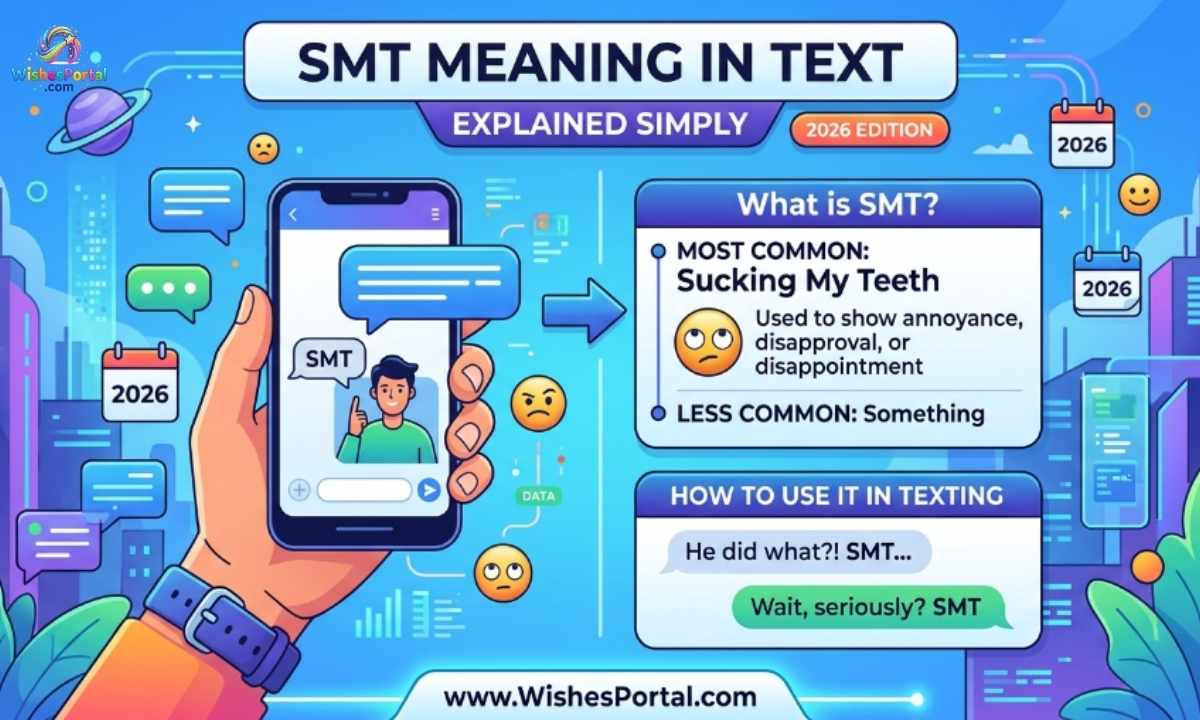
In text messages, SMT most commonly stands for “Sucking My Teeth.” It’s a way of showing annoyance, disbelief, or mild frustration—the online version of making that tsk sound when someone says something irritating or disappointing.
In some conversations, SMT can also mean “Send Me That,” usually when someone wants a photo, video, link, or other content.
The meaning of SMT depends on the context, the tone of the conversation, and who is using it. A frustrated tweet might use SMT to express annoyance, while a friend texting about a funny video probably means “Send Me That.”
What Does SMT Mean in Text?
SMT is a popular text abbreviation with two common meanings, and figuring out which one someone means is usually as simple as looking at the conversation.
The meaning you’ll see most often—especially among Gen Z and millennials—is “Sucking My Teeth.” It comes from the real-life sound people make by clicking or sucking air through their teeth to show annoyance, disbelief, or frustration. In texts, typing “smt” carries that same vibe in a quick, simple way.
The second meaning is “Send Me That.” People use it when they want someone to share a meme, photo, video, link, or screenshot.
Both meanings are casual and best kept to texts, social media, or chats with friends. They definitely don’t belong in work emails or formal conversations.
Easy Explanation
Think of SMT as having two very different jobs:
- Sucking My Teeth = “Seriously? That’s so annoying.”
- Send Me That = “That looks awesome—send it to me!”
One expresses a reaction, while the other makes a request. The surrounding conversation usually makes the meaning obvious.
Quick Examples
| Situation | Message | Meaning |
| Friend cancels plans again | “He bailed AGAIN. smt.” | Sucking My Teeth (frustrated) |
| Someone posts a funny meme | “Omg smt!” | Send Me That |
| Reacting to bad news | “They raised prices again. smt.” | Sucking My Teeth (annoyed) |
| Asking for a playlist | “That playlist is fire, smt!” | Send Me That |
| Responding to drama | “Did she really say that? smt” | Sucking My Teeth (disbelief) |
Where Is SMT Commonly Used?
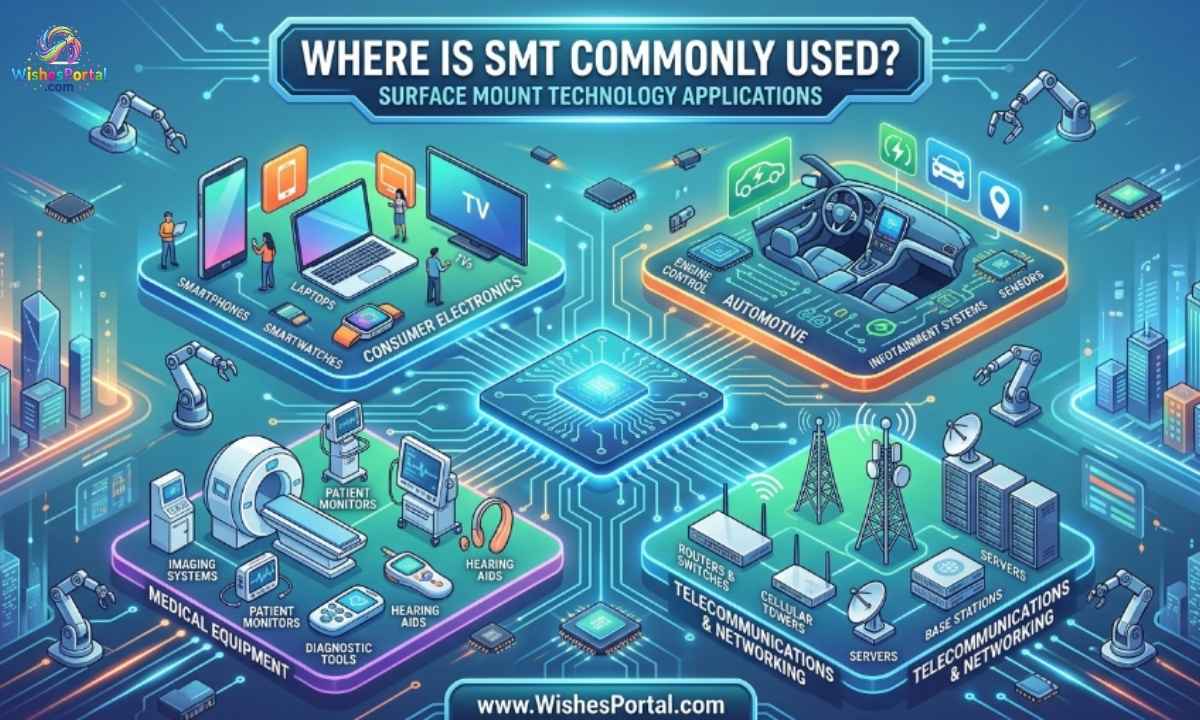
SMT shows up across basically every major digital platform where casual conversation happens. However, it’s most concentrated in spaces where younger users dominate the conversation.
Most common platforms:
- iMessage and WhatsApp — where the “Sucking My Teeth” version thrives in one-on-one convos
- Twitter / X — where it’s often used in reactions to news, drama, or tweets that inspire exasperation
- Instagram DMs and comments — both meanings appear depending on context
- TikTok comments — frequently used as a reaction to something unbelievable or cringey
- Snapchat — mostly the “Send Me That” version, given the platform’s media-sharing nature
- Discord — either version, depending on the server culture
It’s worth noting that SMT is more common in African American Vernacular English (AAVE) digital culture when used as “Sucking My Teeth,” where the gesture itself carries longstanding cultural weight. The expression has roots that go well beyond internet slang — it predates texting by decades.
Tone and Meaning Explained
One of the interesting things about SMT is that the same three letters can mean very different things depending on the tone of the conversation. In texting, context is everything.
Friendly Tone
When friends use SMT in a playful conversation, it often means lighthearted annoyance or teasing.
“You’re telling me you forgot the chips again? smt 😂”
No one’s actually upset here. It’s more of an affectionate eye roll—the kind of reaction you have with people you’re close to. Emojis help soften the tone, but even without them, the message usually feels friendly.
Neutral Tone
In everyday conversations, SMT often expresses mild frustration about a situation rather than a person.
“The app crashed right before I could submit. smt.”
It’s not dramatic or overly emotional. It’s simply a quick way to say, “Well, that’s annoying.”
Dry or Cold Tone
Sometimes, though, SMT can come across as much sharper. When it’s used by itself, with no emoji or extra words, it can feel like quiet disappointment or judgment.
“smt.”
That’s it.
Depending on the conversation, those three letters can say a lot. It might mean “I can’t believe this,” “I’m annoyed,” or “I’m not even going to argue.” The shorter the message, the more the reader fills in the emotion.
Examples of SMT in Conversation
Sometimes, the best way to understand slang is to see it in action. Here are a few everyday examples of how people use SMT in text conversations.
Example 1: The Friend Who Always Cancels
Alex: “I can’t make it tonight, something came up.”
Jordan: “Again?? smt”
Jordan isn’t furious—just annoyed and a little disappointed. Here, SMT means “Sucking My Teeth.”
Example 2: Asking for Something Cool
Riley: “I just found the best study playlist.”
Casey: “smt!! I need it for finals.”
In this case, SMT means “Send Me That.” Casey wants the playlist shared immediately.
Example 3: The Side-Eye Reaction
Sam: “My boss said working from home makes us less productive.”
Taylor: “smt. He says that from his lake house.”
Taylor is expressing disbelief mixed with sarcasm. The meaning is clearly “Sucking My Teeth.”
Example 4: Reacting to News
“They’re remaking another movie nobody asked for. smt.”
A short message, but it says a lot. The sender is mildly annoyed and rolling their eyes at the news.
Example 5: Responding to Drama
“She said what to him?? smt I can’t.”
This is classic internet disbelief. The person is shocked, amused, and a little judgmental all at once.
These examples show why context matters so much. Depending on the conversation, SMT can express frustration, disbelief, sarcasm, or simply mean “Send me that.” Once you see it used a few times, figuring out the meaning becomes surprisingly easy.
SMT Meaning From a Girl

When a girl uses SMT in a text or social media post, it usually carries the same meaning as everyone else uses it: “Sucking My Teeth”—a quick way to express annoyance, disbelief, or frustration. The exact tone depends more on the situation and the person than on gender.
Often, it’s used while venting about something irritating or reacting to a moment that deserves a collective eye roll. It can also create a sense of shared understanding, as if saying, “You know exactly why this is annoying.”
Example:
“He texted me back three days later like nothing happened. smt.”
In this case, SMT expresses disbelief and mild frustration. It’s a short reaction, but it says a lot: “Seriously? I can’t believe this happened.” Friends reading the message will probably understand the feeling immediately—no lengthy explanation required.
SMT Meaning From a Guy
When a guy uses SMT in a text, it usually means the same thing it does for everyone else: “Sucking My Teeth”—a quick reaction to something annoying, unbelievable, or disappointing. The tone, however, can sometimes feel a bit more dry or understated.
Instead of showing strong emotion, SMT is often used as a low-key way to react to life’s little frustrations. Think of it as the texting equivalent of a head shake, an eye roll, or a sarcastic laugh.
Example:
“Bro said he’d pay me back ‘soon.’ smt. It’s been four months.”
Here, the sender isn’t furious. The tone is more resigned than angry—almost amused by how predictable the situation has become. The SMT adds a layer of “Of course this happened” without needing a long explanation.
Of course, there’s no fixed rule for how men use SMT. Some use it seriously, others use it jokingly, and many use it simply as a quick way to express disbelief or frustration. As always, the meaning depends on the conversation and the relationship between the people texting.
Is SMT Ever Rude or Offensive?
Is SMT rude? Not necessarily. Like most slang, its tone depends on the situation, the relationship between the people texting, and how it’s used.
Dry or Skeptical
“smt. Sure, whatever you say.”
In this case, SMT comes across as skeptical or unimpressed. The person isn’t being openly rude, but they’re clearly not convinced. It has a slightly cold tone, though it’s still fairly mild.
Passive-Aggressive
“You’re always late. smt. It’s fine.”
This version feels more passive-aggressive. The words “It’s fine” say one thing, but the SMT suggests the opposite. Depending on the relationship, this could come across as sarcastic or even a little hurtful.
Casual and Harmless
“I can’t believe they sold out already, smt 😅”
Here, SMT is completely harmless. The frustration is aimed at the situation, not another person, and the emoji keeps the tone light and playful.
So, Is SMT Offensive?
Not on its own. SMT isn’t a rude word or an insult. Most of the time, it’s simply a quick way to express annoyance, disbelief, or frustration.
The key is who or what it’s directed at. If someone uses SMT to vent about a situation, it’s usually harmless. But if it’s aimed at a person with a cold or sarcastic tone, it can feel dismissive or passive-aggressive.
In other words, SMT is only as rude as the message surrounding it.
When to Use and When NOT to Use
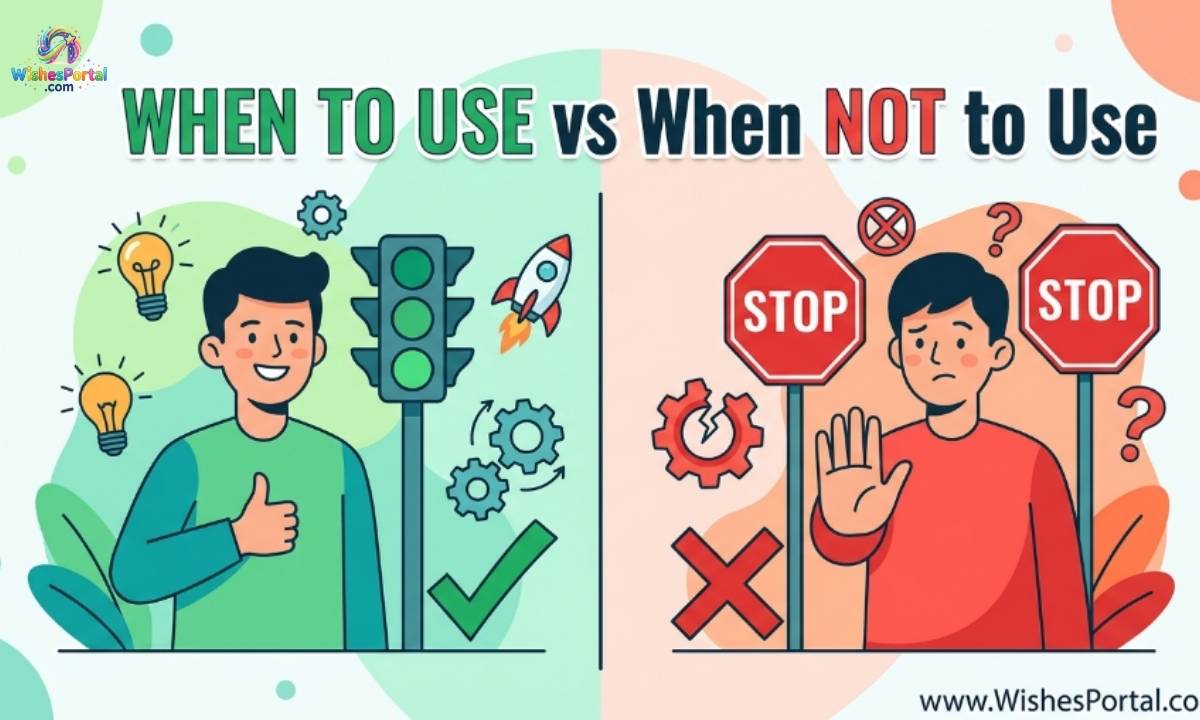
Knowing what SMT means is helpful—but knowing when to use it is just as important. Like most internet slang, it works best in casual conversations with people who are already familiar with that style of communication.
✅ Use SMT When:
- You’re texting close friends or people who regularly use internet slang.
- You’re reacting to something annoying, surprising, or eye-roll-worthy.
- You want someone to share a meme, video, screenshot, or file and prefer a quick, casual message.
- You’re posting on social media and want a short, expressive reaction.
❌ Avoid Using SMT When:
- You’re messaging a parent, boss, teacher, or anyone who may not recognize the abbreviation.
- The conversation is professional or semi-formal, even if it’s happening on a messaging app.
- You’re discussing something serious or emotional, where slang might make your message seem less sincere.
- You’re unsure how the other person communicates. If in doubt, spell out what you mean.
A Simple Rule to Remember
The easiest way to decide whether to use SMT is to match the other person’s style. If they’re sending quick messages, emojis, and abbreviations, SMT will probably fit right in.
But if they’re writing full sentences with proper punctuation and a more formal tone, it’s usually better to skip the slang and say exactly what you mean.
When it comes to texting, reading the room is half the conversation.
SMT Meaning in Chat vs Social Media
The meaning of SMT doesn’t usually change, but the way people use it can vary depending on where you see it.
In Private Chats
In one-on-one texts or DMs, SMT often feels more personal. It’s usually a direct reaction to something that happened and can carry real emotion—whether that’s frustration, disbelief, or sympathy.
Example:
“She really said that about you?? smt I’m floored.”
Here, the sender is reacting in the moment. The SMT adds emotion to the message and shows they’re genuinely surprised or annoyed.
In Group Chats
In group conversations, SMT is often used to share a collective reaction. It’s a quick way to say, “Can you believe this?” or “This is ridiculous,” while inviting everyone else to join in.
On Social Media
On platforms like X, TikTok, or Instagram, SMT tends to be lighter and more playful. Instead of expressing a personal feeling, it’s often used as a reaction to trends, news, or pop culture.
Example:
“They really dropped a sequel nobody asked for. smt 💀”
In this case, the tone is more humorous than serious. The user is sharing an opinion while also entertaining their audience.
Where You’ll See SMT Most Often
| Context | How It’s Used | Emotional Weight |
| Private Chat | Personal reaction or request | High |
| Group Chat | Shared frustration or humor | Medium |
| Social Media Post | Reaction to trends or pop culture | Low to Medium |
| Comment Section | Agreement, disbelief, or side-eye | Low |
At the end of the day, SMT is flexible. The abbreviation stays the same, but the tone changes with the setting. In private chats, it can feel personal and emotional. On social media, it’s often just a quick, relatable reaction that others instantly understand.
Similar Slang Words or Alternatives
If you’re trying to expand your internet slang vocabulary, there are plenty of expressions that give off a similar vibe to SMT. Most are used to express frustration, disbelief, annoyance, or agreement in a quick and relatable way.
| Slang | Meaning | Similar to SMT? |
| SMH | Shaking My Head | ✅ Yes — frustration or disbelief |
| IKR | I Know, Right? | ⚠️ Partly — agreement mixed with exasperation |
| NGL | Not Gonna Lie | ⚠️ Sometimes — honest reactions or mild frustration |
| FR | For Real | ✅ Yes — validates surprise or annoyance |
| BRO | Casual disbelief or frustration | ✅ Yes — especially in a dry or sarcastic tone |
| OMG | Oh My God | ⚠️ Partly — more dramatic and emotional |
| TF | “The heck?” or stronger disbelief | ✅ Yes — a sharper reaction |
| Low-key | A subtle or understated feeling | ⚠️ Partly — softer and less direct |
Of all these, SMH is probably the closest cousin to SMT. Both are often used when something is annoying, disappointing, or hard to believe.
The difference is that SMH is more general—it can react to almost anything. SMT, especially when it means “Sucking My Teeth,” feels a bit more specific and expressive. It carries a sense of eye-rolling frustration or quiet disbelief that can be hard to capture with any other abbreviation.
In other words, if SMH is a head shake, SMT is the sound you make right before it.
Other Meanings of SMT
While “Sucking My Teeth” and “Send Me That” are the meanings you’ll encounter most often in texts and on social media, SMT can stand for a few other things depending on the context.
- Surface Mount Technology – A technical term used in electronics manufacturing. If you’re reading about circuit boards or hardware, this is probably what SMT means.
- So Much Truth – Occasionally used online to show strong agreement with a statement or opinion.
- Something – In very casual texting, some people use SMT as shorthand for “something,” though this is relatively uncommon.
- Smooth Move There – A rare, usually sarcastic phrase used to call out someone’s mistake or awkward moment.
That said, context is everything. If you see SMT in a text message, group chat, TikTok comment, or social media post, there’s a very good chance it means either “Sucking My Teeth” or “Send Me That.”
In most everyday conversations, assuming one of these two meanings will steer you in the right direction. A quick glance at the surrounding message is usually all you need to figure out which one applies.
Why Do People Use SMT?
Slang terms don’t become popular by accident. They stick around because they’re useful, easy to use, and fit naturally into the way people communicate online. SMT is a great example.
Fast and Easy to Type
Typing SMT is much quicker than writing out “I can’t believe that” or “Can you send that to me?” In fast-moving conversations, people prefer shortcuts that get the message across instantly. Three letters are often all it takes.
Part of Internet Culture
Online communities have developed their own language over the years, and slang is a big part of that. Using terms like SMT shows that you’re familiar with internet culture and comfortable communicating in that style. It’s a form of shared language that helps people feel connected.
Convenient for Everyday Conversations
Sometimes, you don’t want to type a full response. Maybe you’re mildly annoyed, surprised, or just want a friend to send you a meme. SMT communicates all of that quickly and keeps the conversation flowing without much effort.
Casual and Relatable
Slang also creates a relaxed tone. Using SMT feels more natural and conversational than a formal sentence. It signals that the conversation is casual and that you’re speaking the same language as the people around you.
At the end of the day, SMT remains popular for the same reasons most internet slang does: it’s fast, expressive, convenient, and perfectly suited to the informal way people communicate online.
What Does SMT Mean — The Meanings?
Here’s a quick reference of everything SMT can stand for, and what each one communicates:
- Sucking My Teeth — mild frustration, disbelief, quiet side-eye; the most common texting meaning
- Send Me That — a casual request to share media, a link, a file, or a meme
- So Much Truth — rare, used to validate a particularly sharp or honest statement
- Something — very informal shorthand, used inconsistently and not widely standard
- Surface Mount Technology — technical/professional usage; irrelevant in casual conversation
FAQs
1. What does SMT mean in texting in 2026?
SMT most commonly means “Sucking My Teeth” (mild frustration or disbelief) or “Send Me That” (a request to share something), depending on the context of the conversation.
2. How do I know which meaning of SMT someone is using?
Look at the surrounding message — if it follows a frustrating situation, it’s “Sucking My Teeth”; if it follows something shareable like a meme or link, it’s “Send Me That.”
3. Is SMT rude to use in a text?
SMT is not inherently rude, but its tone depends entirely on delivery — used with humor it’s playful, but sent coldly toward a person it can feel dismissive or passive-aggressive.
4. Can I use SMT in professional settings?
No — SMT is strictly casual slang and should be reserved for friends, peers, or anyone you communicate with in an informal, digital-native way.
Final Thoughts
SMT may be just three letters, but it can express frustration, humor, disbelief, or even a subtle eye roll—all depending on the context. That’s what makes internet slang so interesting: a simple abbreviation can say a lot.
Understanding terms like SMT helps you keep up with modern digital conversations and better understand what people really mean online. Now, the next time someone texts you “smt,” you’ll know exactly how to interpret it—and maybe even use it yourself.




2 thoughts on “SMT Meaning in Text Explained Simply 2026”